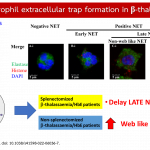
Neutrophil extracellular traps induced by activated platelets as a cause of neutrophil–platelet aggregation in beta-thalassaemia/haemoglobin E patients

Goals 3
Ensure healthy lives and promote well-being for all at all ages

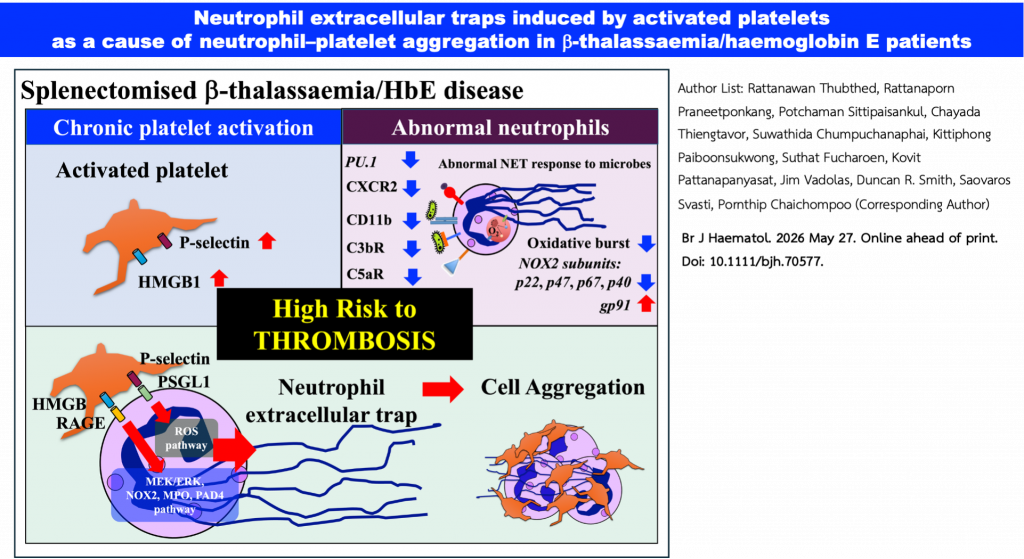
Neutrophil extracellular traps induced by activated platelets as a cause of neutrophil–platelet aggregation in beta-thalassaemia/haemoglobin E patients

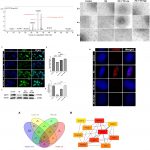
Beta-thalassemia patients had high risk to developing thromboembolic events, particularly those who have undergone splenectomy. However, the mechanisms driving thrombosis are not fully understood. In this study, we investigated how activated platelets induce neutrophils to promote thrombosis through immunothrombosis. Neutrophils were co-incubated with either platelets or recombinant proteins (P-selectin or HMGB1), and neutrophil morphological changes and platelet–neutrophil aggregation were assessed using confocal microscopy. Neutrophils from splenectomized beta-thalassemia patients responded differently from those of non-splenectomized patients and healthy individuals. In splenectomized patients, oxidative stress–related pathways appeared to play a dominant role in neutrophil extracellular trap formation and neutrophil–platelet aggregation. Blocking these pathways reduced NET production and cell aggregation. Our findings suggest that splenectomy alters platelet–neutrophil communication, thereby increasing the risk of thrombosis in beta-thalassemia. The reactive oxygen species pathway may represent a promising therapeutic target for preventing thrombotic complications in these patients.

More Topics

Therapeutic silencing of Tmprss6 reduces iron-induced inflammation and prolongs survival in MDS mice

Goals 3
Ensure healthy lives and promote well-being for all at all ages

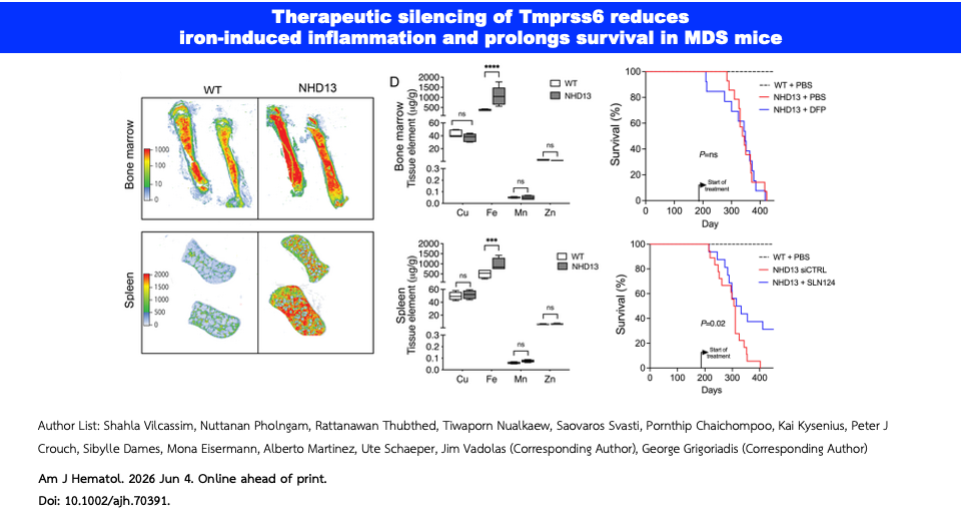
Therapeutic silencing of Tmprss6 reduces iron-induced inflammation and prolongs survival in MDS mice

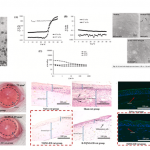
Myelodysplastic syndromes (MDS) are a group of disorders in which the bone marrow fails to produce myeloid lineage such as neutrophils and red blood cells, leading to anemia, infections, and bleeding complications. In some patients, MDS can progress to acute myeloid leukemia (AML). Although current treatments can help manage symptoms, there are limited options that can slow disease progression. Iron overload contributes to disease worsening by promoting inflammation and cellular damage. However, the mechanisms linking excess iron to MDS progression are not fully understood. In this study, we investigated whether reducing iron overload by targeting TMPRSS6, a key regulator of iron metabolism, could improve disease outcomes in MDS mouse model. We used SLN124, a small interfering RNA designed to suppress TMPRSS6 and increase the body’s natural production of hepcidin, the hormone that controls iron balance. Excess iron was strongly associated with inflammatory activation in blood-forming cells. Treatment with SLN124 reduced iron accumulation and inflammation more effectively than the iron-chelating drug deferiprone. Importantly, long-term SLN124 treatment delayed disease progression and significantly improved survival. While all untreated and deferiprone-treated mice died before Day 420, approximately 30% of SLN124-treated mice survived beyond 450 days. These findings suggest that targeting TMPRSS6 may represent a promising disease-modifying strategy for MDS.

More Topics

Eugenol from Syzygium aromaticum enhances longevity and proteostasis in aged yeast

Goals 3
Ensure healthy lives and promote well-being for all at all ages

Eugenol from Syzygium aromaticum enhances longevity and proteostasis in aged yeast

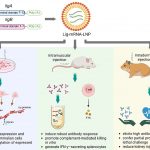
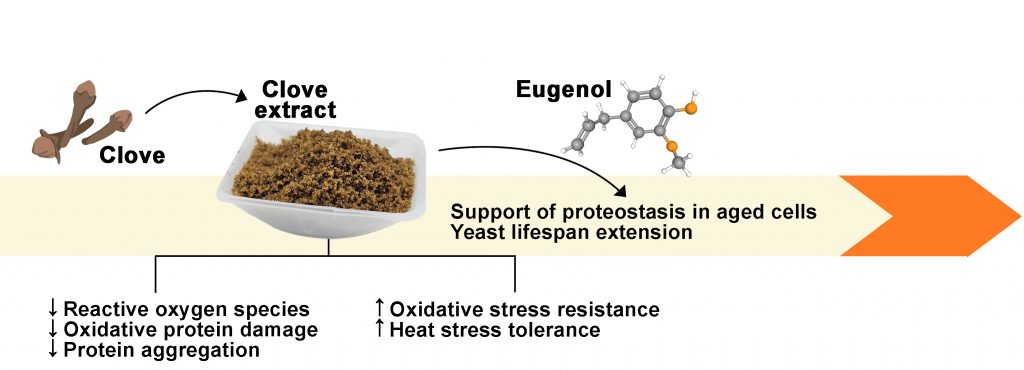
As populations around the world continue to age, there is increasing interest in finding natural compounds that can promote healthy aging and reduce the risk of age-related diseases. In this study, we investigated whether clove extract could promote healthy aging using yeast, a widely accepted model organism for studying the biology of aging. We found that treatment with clove extract significantly increased the lifespan of aging yeast cells. The extract reduced intracellular ROS levels, decreased oxidative damage to proteins, and improved the ability of the organism to survive under stressful conditions. Importantly, clove extract also reduced the formation of protein aggregates and stimulated autophagy, a natural cellular recycling process that removes damaged proteins and cellular components. These findings suggest that clove extract helps maintain proteostasis, or protein quality control, which is essential for preserving cellular health and function during aging.


Further chemical analysis identified eugenol as the primary substance responsible for these anti-aging effects. The study also showed that these effects depend on the Ras/PKA signaling pathway, indicating that eugenol influences cellular mechanisms that regulate aging rather than acting solely as an antioxidant. Overall, this research demonstrates that clove extract and eugenol can promote healthier aging in yeast by reducing cellular damage and improving protein maintenance systems. These findings provide valuable insights into the potential use of natural plant-derived compounds to support healthy aging and prevent age-related cellular decline.

More Topics

Brown Yar Ko Rice Protects Against Hyperglycemia-Induced Endothelial Injury via Antioxidant and SIRT1 Activation

Goals 3
Ensure healthy lives and promote well-being for all at all ages

Brown Yar Ko Rice Protects Against Hyperglycemia-Induced Endothelial Injury via Antioxidant and SIRT1 Activation

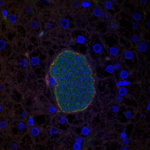
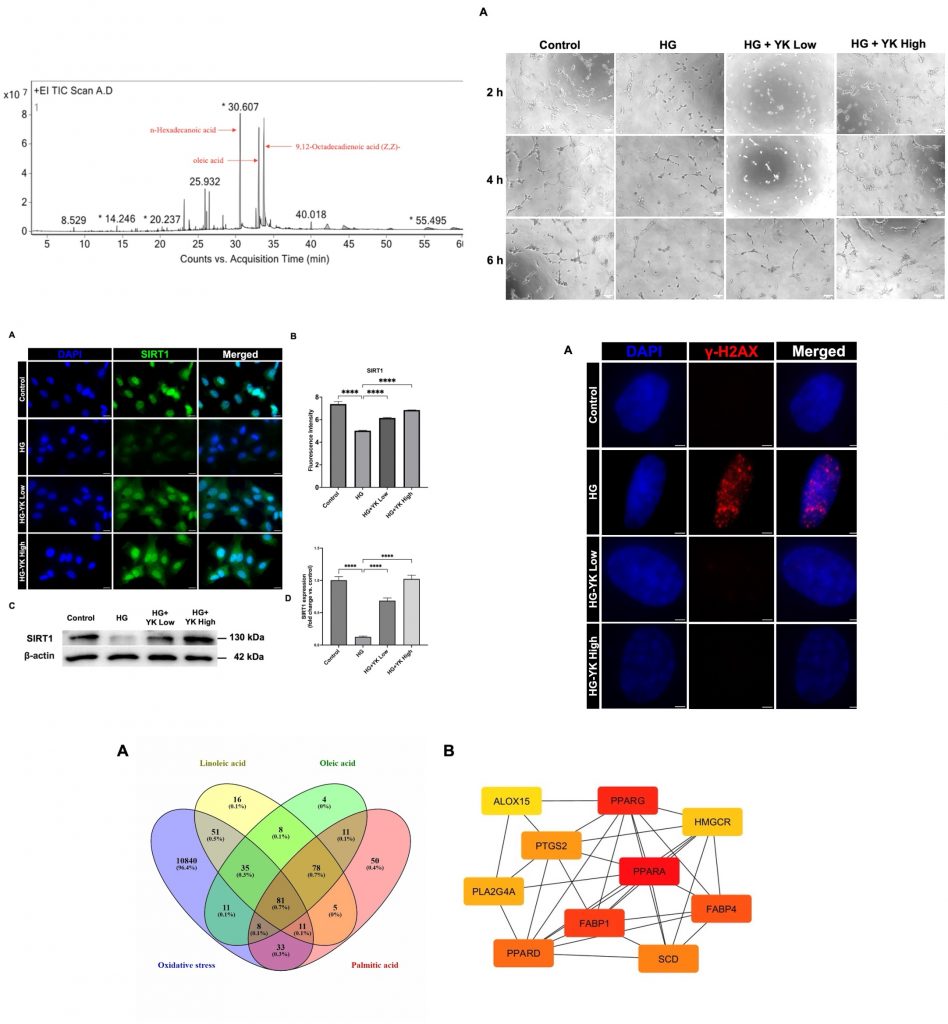
Diabetes can damage blood vessels over time. One major cause is high blood sugar, which increases harmful molecules called reactive oxygen species (ROS). These molecules lead to oxidative stress, weaken blood vessel cells, and can result in serious complications. A protective protein called SIRT1 helps reduce this damage, but its levels are often lower in people with diabetes. This study explored whether an extract from brown Yar Ko (YK) rice, a traditional rice from southern Thailand, could protect blood vessel cells from damage caused by high sugar levels. Researchers tested the extract in human endothelial cells grown in the lab under diabetic-like conditions. The results showed that YK rice extract contains beneficial natural compounds, including fatty acids and antioxidants. These compounds helped reduce oxidative stress by lowering ROS levels and decreasing damage to cellular DNA. The extract also improved the function of endothelial cells, helping them maintain their normal structure and ability to form blood vessels. Importantly, YK rice extract increased the levels of SIRT1, a key protein that supports antioxidant defenses and cell health. Further analysis suggested that this effect may involve additional pathways linked to energy metabolism and protection against oxidative damage. In summary, brown Yar Ko rice extract shows potential as a natural approach to protect blood vessels from diabetes-related damage. However, more studies are needed to confirm these effects in humans.

More Topics