Neutrophil extracellular traps induced by activated platelets as a cause of neutrophil–platelet aggregation in beta-thalassaemia/haemoglobin E patients
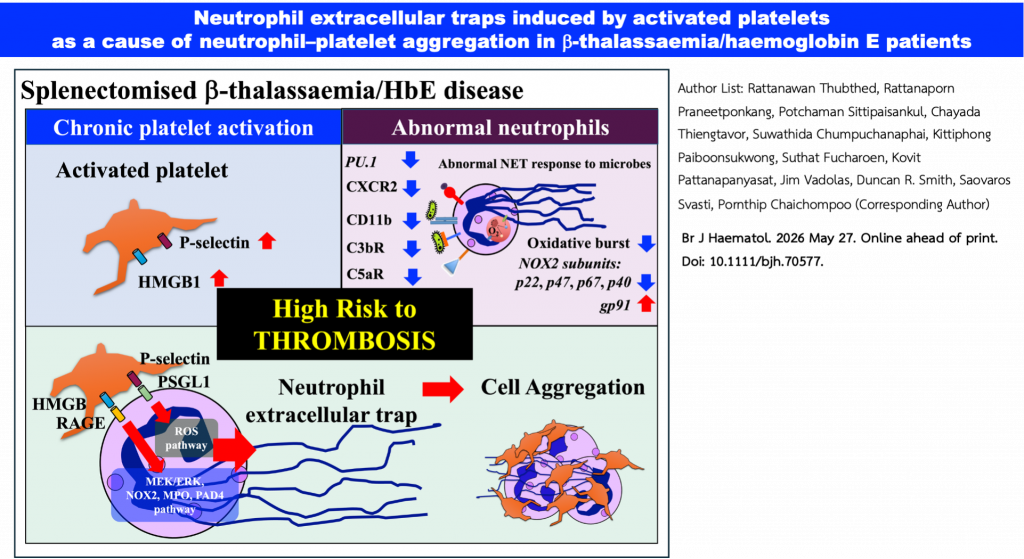
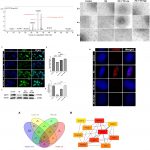
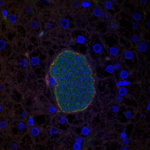
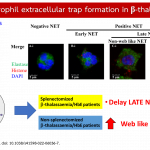
Beta-thalassemia patients had high risk to developing thromboembolic events, particularly those who have undergone splenectomy. However, the mechanisms driving thrombosis are not fully understood. In this study, we investigated how activated platelets induce neutrophils to promote thrombosis through immunothrombosis. Neutrophils were co-incubated with either platelets or recombinant proteins (P-selectin or HMGB1), and neutrophil morphological changes and platelet–neutrophil aggregation were assessed using confocal microscopy. Neutrophils from splenectomized beta-thalassemia patients responded differently from those of non-splenectomized patients and healthy individuals. In splenectomized patients, oxidative stress–related pathways appeared to play a dominant role in neutrophil extracellular trap formation and neutrophil–platelet aggregation. Blocking these pathways reduced NET production and cell aggregation. Our findings suggest that splenectomy alters platelet–neutrophil communication, thereby increasing the risk of thrombosis in beta-thalassemia. The reactive oxygen species pathway may represent a promising therapeutic target for preventing thrombotic complications in these patients.