Thioredoxin Reductase-1 as a Potential Biomarker in Fibroblast-Associated HCT116 Cancer Cell Progression and Dissemination in a Zebrafish Model

Goals 3
Ensure healthy lives and promote well-being for all at all ages

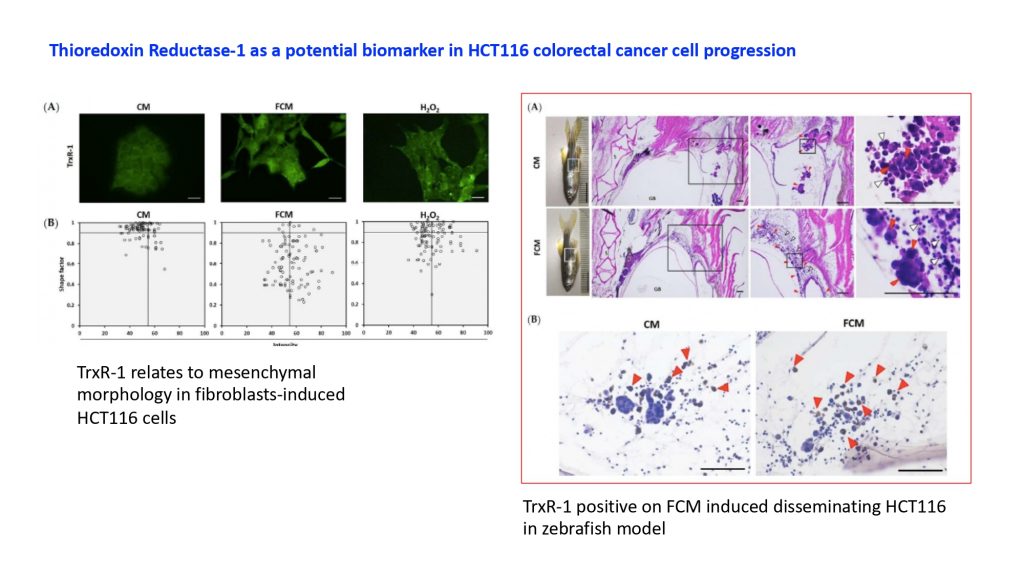
Thioredoxin Reductase-1 as a Potential Biomarker in Fibroblast-Associated HCT116 Cancer Cell Progression and Dissemination in a Zebrafish Model

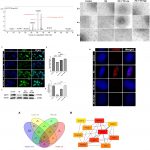
The tumor microenvironment, especially that of fibroblasts-associated with epithelial-mesenchymal transition (EMT) process, strongly promotes colorectal cancer (CRC) progression including cancer migration, invasion, and metastasis.

This study provides knowledge that the high proliferation of fibroblast-associated pro-inflammatory cytokine secretions is linked to an increased ability to induce cellular oxidative stress and HCT116 cancer progression through the epithelial-mesenchymal transition (EMT) process. Fibroblast-cultured media (FCM) also caused cancer dissemination in the zebrafish model. Furthermore, thioredoxin reductase 1 (TrxR1)

expression was associated with FCM-inducing cancer progression. Thus, TrxR-1 is a potential biomarker to indicate fibroblast-associated colorectal cancer progression. TrxR-1 has been suggested as a biomarker candidate for colorectal cancer progression and prognostic evaluation in clinical applications.

Related Topics

การวิเคราะห์เชิงลึกเกี่ยวกับการทำงานของภูมิคุ้มกันและปริมาณของเซลล์เม็ดเลือดขาวชนิดต่าง ๆ ในผู้ป่วยโรคเบต้าธาลัสซีเมีย/ฮีโมโกลบินอีที่ได้รับการรักษาด้วย ยาไฮดรอกซียูเรีย: สนับสนุนความปลอดภัยในการรักษา

Goals 3
Ensure healthy lives and promote well-being for all at all ages

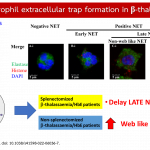
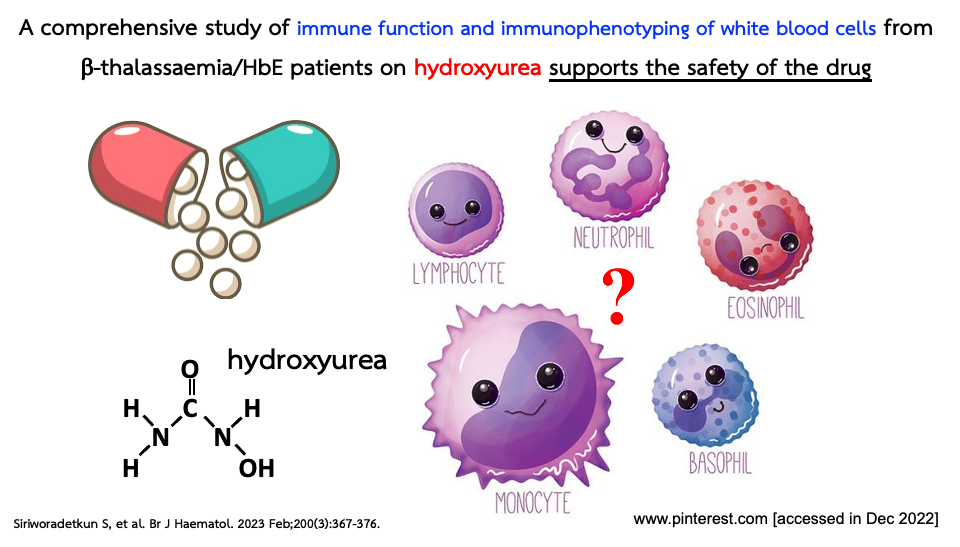
การวิเคราะห์เชิงลึกเกี่ยวกับการทำงาน ของภูมิคุ้มกันและปริมาณของเซลล์เม็ดเลือดขาวชนิดต่าง ๆ ในผู้ป่วยโรคเบต้าธาลัสซีเมีย/ ฮีโมโกลบินอีที่ได้รับการรักษาด้วย ยาไฮดรอกซียูเรีย: สนับสนุนความปลอดภัยในการรักษา

การรักษาทางเลือกโดยการเพิ่มฮีโมโกลบินเอฟในผู้ป่วยโรคเบต้าธาลัสซีเมีย มีจุดประสงค์เพื่อลดปริมาณของอัลฟ่าโกลบินส่วนเกิน ซึ่งเป็นปัจจัยสำคัญที่ทำให้ผู้ป่วยมีภาวะซีดรุนแรง ยาไฮดรอกซียูเรียถูกนำมาใช้เป็นยาต้นแบบในการเพิ่มระดับของฮีโมโกลบินเอฟในผู้ป่วยโรคเบต้าธาลัสซีเมียและผู้ป่วยโรคเม็ดเลือดแดงรูปเคียว ผู้ป่วยเบต้าธาลัสซีเมียที่ตอบสนองดีกับการรักษาด้วยยาไฮดรอกซียูเรีย จะมีระดับฮีโมโกลบินโดยรวม ³ 7 g/dL ทำให้ไม่ต้องทำการเติมเลือดเพื่อการรักษาภาวะซีดรุนแรง ลดความเสี่ยงในการเหนี่ยวนำให้เกิดโรคแพ้ภูมิตนเอง และการติดเชื้อ

ซึ่งอาจเป็นผลมาจากการรักษาด้วยการเติมเลือด นอกจากนี้ หากผู้ป่วยได้รับการรักษาด้วยการเติมเลือดอยู่บ่อยครั้ง ต้องทำการรักษาด้วยยาขับเหล็ก เพื่อควบคุมปริมาณเหล็กสะสมในร่างกายสำหรับป้องกันภาวะเหล็กเกินอีกด้วย

ยาไฮดรอกซียูเรีย เป็นยาในกลุ่มเคมีบำบัดสำหรับรักษาผู้ป่วยมะเร็งชนิดโรคมัยอีโลโพรลิฟเฟอเรทีฟ โดยยามีฤทธิ์ยับยั้งเมตาบอลึมและการเพิ่มจำนวนของเซลล์มะเร็ง ปริมาณยาที่ใช้รักษาในผู้ป่วยมะเร็ง คือ 50 – 150 มก./กก./วัน ผลข้างเคียง คือ ทำให้นิวโทรฟิลและเกล็ดเลือดต่ำกว่าปกติ สำหรับการนำยาไฮดรอกซียูเรีย มาใช้เพื่อเป็นการกระตุ้นการสร้างฮีโมโกลบินเอฟในผู้ป่วยโรคเบต้าธาลัสซีเมีย คือ 5 – 20 มก./กก./วัน แม้ปริมาณการรักษาจะมีระดับต่ำมากเมื่อเทียบกับปริมาณการรักษาในผู้ป่วยโรคมะเร็ง แต่ผู้ป่วยโรคเบต้าธาลัสซีเมียมีภาวะภูมิคุ้มกันบกพร่องและมีความเสี่ยงต่อภาวะติดเชื้อสูงอยู่แล้ว

คณะผู้วิจัยจึงเห็นว่า การรักษาด้วยยาไฮดรอกซียูเรียในเวลานานติดต่อกัน อาจส่งผลต่อการเจริญ ปริมาณและการทำงานของเซลล์เม็ดเลือดขาวในผู้ป่วยโรคเบต้าธาลัสซีเมียได้

Related Topics

A Potential Combination of Targeting HSP90 and mTOR in Breast Cancer Cell Growth, Migration, and Invasion Through Inhibiting AKT Phosphorylation and F-actin Organization

Goals 3
Ensure healthy lives and promote well-being for all at all ages

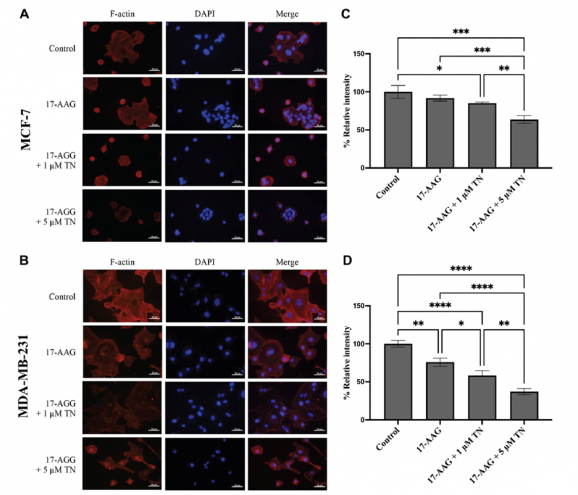
A Potential Combination of Targeting HSP90 and mTOR in Breast Cancer Cell Growth, Migration, and Invasion Through Inhibiting AKT Phosphorylation and F-actin Organization

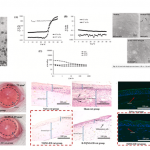
Breast cancer is the most common cancer among women worldwide and has a high death rate, mainly due to metastasis. Unfortunately, no effective treatment is available for metastatic breast cancer. The potential of combining HSP90 and mTOR inhibitors to treat breast cancer cell growth, migration, and invasion was explored in this study. Gene expression profiles were examined using Gene Expression Profiling Interactive Analysis (GEPIA).

Protein expression and localization were studied using Western blot analysis and fluorescence staining. Cell proliferation, migration, and invasion were assessed using MTT, wound healing, and transwell invasion assays. It was found that HSP90 expression was significantly higher in breast invasive carcinoma compared to other tumor types, and this high expression was linked to mTOR levels. Cell proliferation was significantly inhibited by treatment with 17-AAG (an HSP90 inhibitor) and Torkinib (an mTORC1/2 inhibitor). AKT signaling was reduced, F-actin intensity was decreased, and YAP levels were lowered by the combination treatment, disrupting its nuclear localization.

In conclusion, breast cancer cell growth and progression can be suppressed by targeting HSP90 and mTOR, which interferes with AKT signaling and inhibits F-actin polymerization. This combination treatment shows promise as a therapeutic strategy for breast cancer, potentially reducing the adverse effects of single treatments.

Related Topics

17-AAG Induces Endoplasmic Reticulum Stress-mediated Apoptosis in Breast Cancer Cells, Possibly Through PERK/eIF2α Up-regulation

Goals 3
Ensure healthy lives and promote well-being for all at all ages

17-AAG Induces Endoplasmic Reticulum Stress-mediated Apoptosis in Breast Cancer Cells, Possibly Through PERK/eIF2α Up-regulation

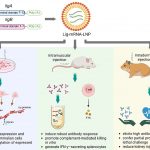
This study explored how 17-AAG, a drug that blocks the heat shock protein HSP90, might work to kill breast cancer cells. Using a pharmacology network and gene analysis, researchers identified that HSP90 could be a key connection between 17-AAG and genes linked to breast cancer. Lab tests showed that 17-AAG slowed down cell growth and triggered cell death in breast cancer cells. The drug also raised cellular oxidant levels and increased stress-related proteins, PERK and eIF2α. Further tests showed that this protein stress led to DNA damage, suggesting a breakdown in cell function. The study highlights HSP90 as a potential treatment target for breast cancer, with 17-AAG showing promise as a therapy that disrupts cellular stress pathways to induce cancer cell death.

Related Topics

Skin anti-aging and wound healing effects of a passion fruit seed extract rich in piceatannol

Goals 3
Ensure healthy lives and promote well-being for all at all ages

Skin anti-aging and wound healing effects of a passion fruit seed extract rich in piceatannol

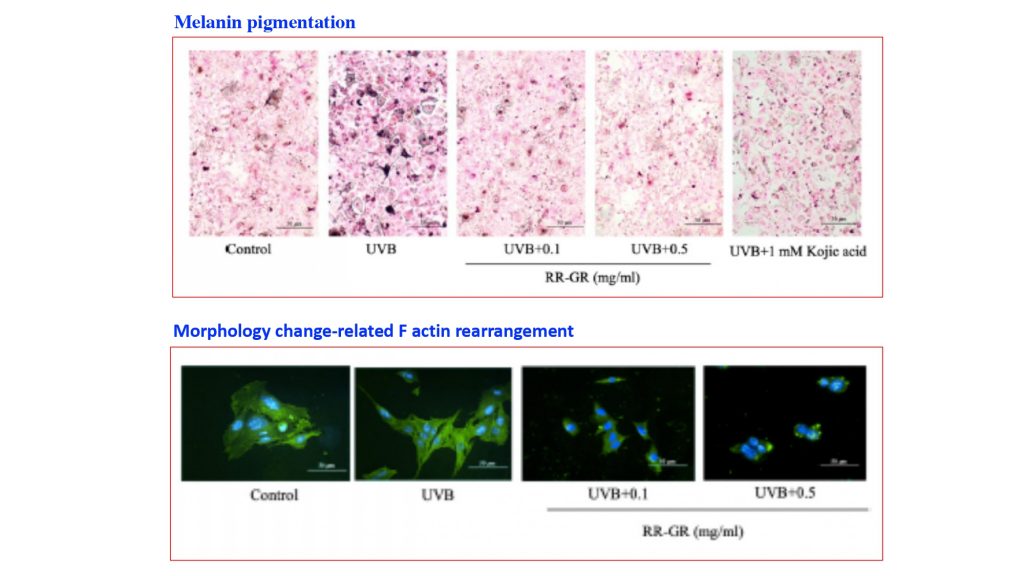
UVB radiation accelerates skin aging by increasing cellular oxidants, leading to senescence and excess production of MMP-1, which causes wrinkles and delays wound healing. Passion fruit seeds (PFS) are rich in piceatannol (PCT), known for its antioxidant and anti-aging properties.

This study examined the effects of PFS extract on UVB-exposed skin cells (HaCaT). The extract, rich in PCT, reduced cellular oxidants, decreased senescence, and lowered MMP-1 production at both protein and mRNA levels.

It also promoted wound healing by enhancing cell migration and increasing EGFR mRNA expression. Additionally, SIRT1 production, associated with cellular rejuvenation, was boosted.

In conclusion, PFS extract shows promise for skincare and wound healing by reducing skin aging effects and supporting tissue repair.

Related Topics