Effect of thermoresponsive quercetin-nanoemulgel eye drop on VEGF-A–induced corneal neovascularization: In vitro and in vivo investigations
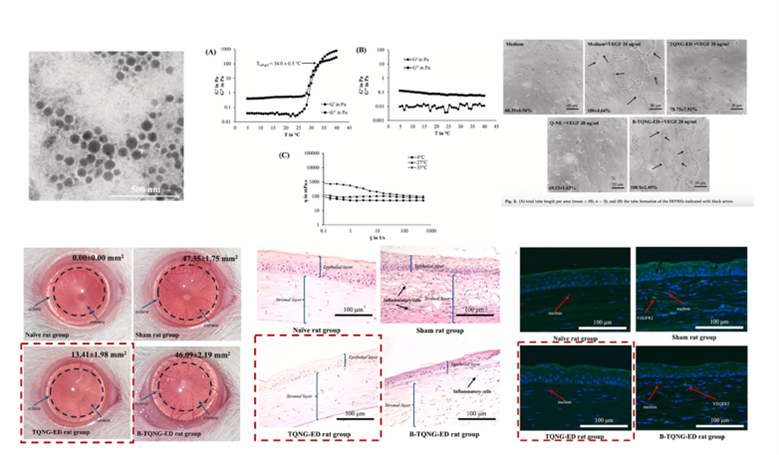
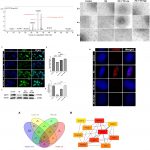
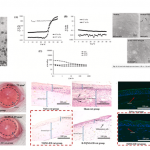
Corneal neovascularization (CNV) is a serious eye condition in which abnormal blood vessels grow into the cornea, the clear front part of the eye. This can block vision and may lead to permanent vision loss. CNV is mainly caused by vascular endothelial growth factor A (VEGF-A), a substance that promotes new blood vessel growth. Quercetin is a natural compound known to reduce VEGF-A activity in the eye. However, quercetin does not dissolve well in water, which limits its absorption and effectiveness when used in conventional forms. To address this problem, we developed a new eye drop formulation called thermoresponsive quercetin nanoemulgel eye drops (TQNG-ED). This formulation uses very small quercetin droplets combined with a temperature-sensitive gel that becomes thicker on the eye surface, allowing the drug to stay longer and work more effectively. In this study, TQNG-ED was tested in laboratory cell models and in animals with chemically induced corneal injury. Safety tests showed that the eye drops did not damage corneal cells or cause eye irritation. The treatment significantly reduced abnormal blood vessel growth by blocking VEGF-A activity and lowering VEGF-A receptor levels. These findings suggest that TQNG-ED is a safe and promising topical treatment for corneal neovascularization and may be suitable for future clinical studies.