Effect of thermoresponsive quercetin-nanoemulgel eye drop on VEGF-A–induced corneal neovascularization: In vitro and in vivo investigations

Goals 3
Ensure healthy lives and promote well-being for all at all ages

Effect of thermoresponsive quercetin-nanoemulgel eye drop on VEGF-A–induced corneal neovascularization: In vitro and in vivo investigations

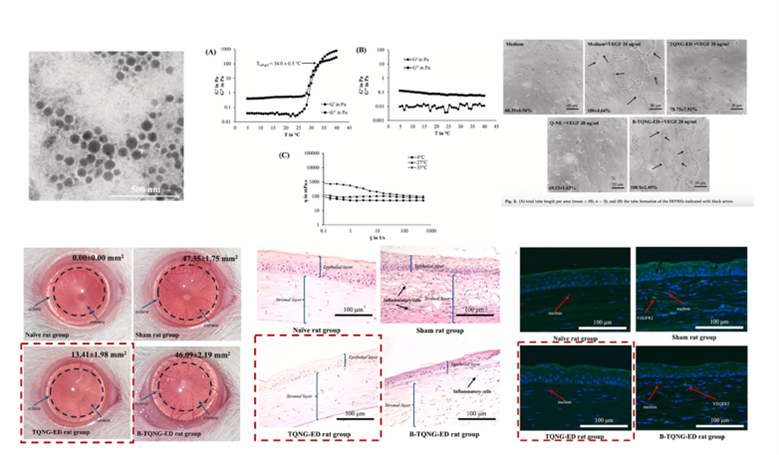
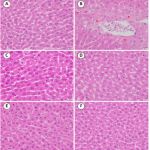
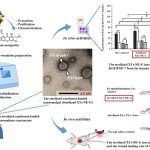
Corneal neovascularization (CNV) is a serious eye condition in which abnormal blood vessels grow into the cornea, the clear front part of the eye. This can block vision and may lead to permanent vision loss. CNV is mainly caused by vascular endothelial growth factor A (VEGF-A), a substance that promotes new blood vessel growth. Quercetin is a natural compound known to reduce VEGF-A activity in the eye. However, quercetin does not dissolve well in water, which limits its absorption and effectiveness when used in conventional forms. To address this problem, we developed a new eye drop formulation called thermoresponsive quercetin nanoemulgel eye drops (TQNG-ED). This formulation uses very small quercetin droplets combined with a temperature-sensitive gel that becomes thicker on the eye surface, allowing the drug to stay longer and work more effectively. In this study, TQNG-ED was tested in laboratory cell models and in animals with chemically induced corneal injury. Safety tests showed that the eye drops did not damage corneal cells or cause eye irritation. The treatment significantly reduced abnormal blood vessel growth by blocking VEGF-A activity and lowering VEGF-A receptor levels. These findings suggest that TQNG-ED is a safe and promising topical treatment for corneal neovascularization and may be suitable for future clinical studies.

Related Topics

mRNA vaccines targeting Leptospira immunoglobulin-like proteins confer partial protection in a hamster model of leptospirosis

Goals 3
Ensure healthy lives and promote well-being for all at all ages

mRNA vaccines targeting Leptospira immunoglobulin-like proteins confer partial protection in a hamster model of leptospirosis

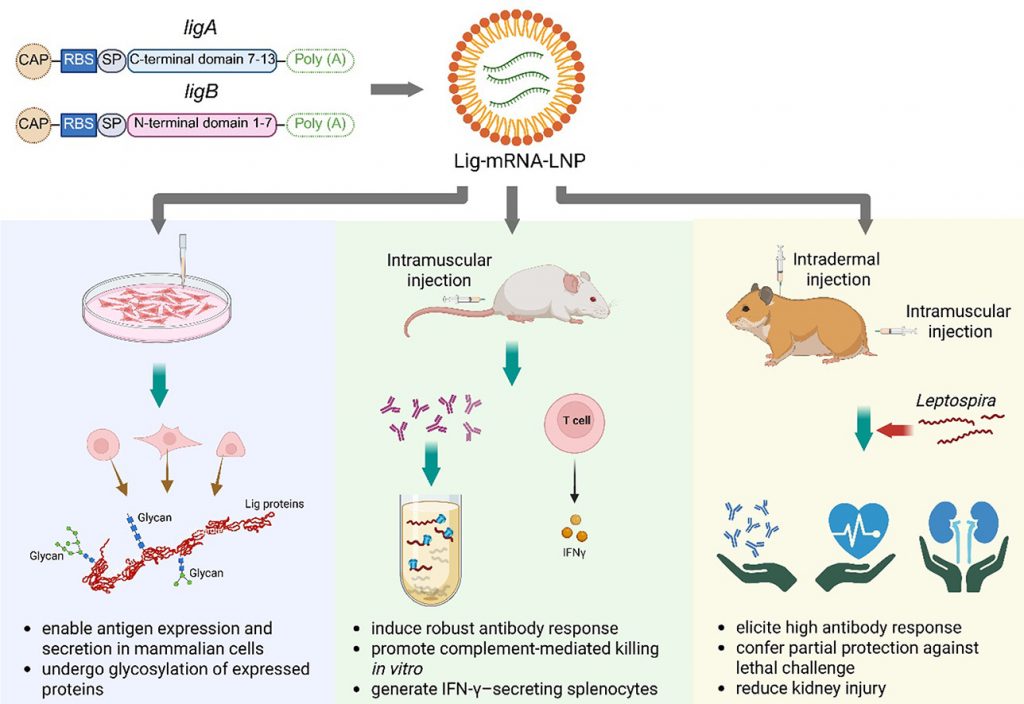
This research focuses on the development of a novel vaccine to prevent leptospirosis, a neglected tropical disease that remains a major public health concern, particularly in low- and middle-income countries. Leptospirosis is commonly associated with flooding, poor sanitation, and occupational or environmental exposure to contaminated water and soil. Severe infection can lead to organ failure, especially of the kidneys and lungs, and may be fatal, creating a substantial health and socioeconomic burden in vulnerable communities.
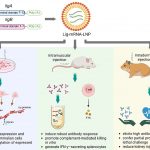
The study explores the use of messenger RNA (mRNA) vaccine technology, an innovative platform that allows rapid development and scalable production. The vaccine was designed to instruct the body to produce key proteins from Leptospira, the bacterium responsible for leptospirosis, thereby stimulating the immune system to recognize and respond to infection. This approach represents a new strategy for addressing bacterial diseases for which effective human vaccines are still limited.

Preclinical testing demonstrated that the mRNA vaccine successfully activated immune responses in animal models, including the production of protective antibodies and immune cells. In a hamster model that closely reflects severe human leptospirosis, vaccinated animals showed partial protection against infection, with improved survival outcomes and reduced damage to critical organs such as the kidneys, compared with unvaccinated controls. While the level of protection was not complete, these findings highlight the potential of mRNA technology as a foundation for further vaccine optimization.

Overall, this study provides important proof of concept that mRNA vaccine platforms can be applied to neglected bacterial infectious diseases. The research supports global efforts to strengthen disease prevention through innovation, expand access to future vaccines, and reduce health inequalities. As such, it contributes directly to the Sustainable Development Goal on Good Health and Well-Being and aligns with broader goals related to innovation, equity, and global health security.

Related Topics

Aspartyl protease inhibition interferes with Plasmodium falciparum asexual blood‑stage and early gametocyte development

Goals 3
Ensure healthy lives and promote well-being for all at all ages

Aspartyl protease inhibition interferes with Plasmodium falciparum asexual blood‑stage and early gametocyte development

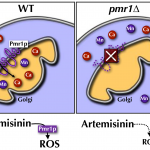
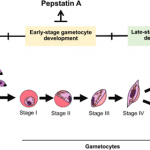
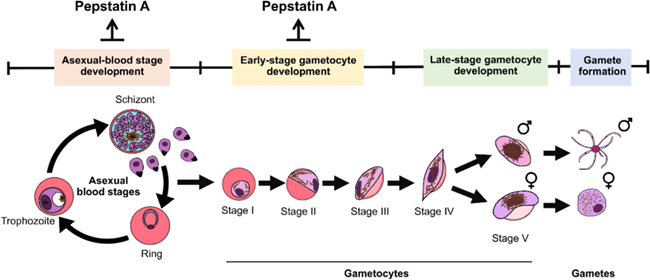
Plasmodium falciparum can cause severe illness and mortality, especially in pregnant women and young children. Asexual stage and gametocyte cause harmful manifestations to the patients and contribute to the spread of the disease, respectively. Moreover, most recent therapeutic drugs did not affect the gametocyte. The discovery of a new drug with dual actions on both stages could elucidate a cost-effective way to combat malaria. Within a human host, the parasite possesses many activities for its survival, such as invasion, haemoglobin degradation, and protein trafficking, many of which are related to aspartyl protease, revealing the potential for antimalarial drug targets. To demonstrate the effects of pepstatin A, a board-spectrum aspartyl protease inhibitor, the number of parasites with stage distribution and morphological changes were evaluated under the microscope. Pepstatin A at 100 μM inhibited the asexual stage and early-stage gametocyte development by 47% and 73%, respectively. They exhibited morphological defects, including chromatin condensation, vacuolization and haemozoin clumping in both asexual blood-stage and early-stage gametocyte. However, it could not influence the late-stage gametocyte development and gamete formation. Inconclusion, pepstatin A moderately affected both asexual blood-stage and early-stage gametocyte development. Morphological changes on treated parasites implied the effect of pepstatin A on haemoglobin degradation, suggesting its potential for reducing the severity of the disease and minimizing malaria transmission. However, further research and development are required to use aspartyl protease as a drug target, focusing on identifying and modifying the drug to be more sensitive and effective.

Related Topics

Growth Inhibition and Additive Effect to Antimalarial Drugs of Brucea javanica Extracts on Asexual Blood-Stage Plasmodium falciparum

Goals 3
Ensure healthy lives and promote well-being for all at all ages

Growth Inhibition and Additive Effect to Antimalarial Drugs of Brucea javanica Extracts on Asexual Blood-Stage Plasmodium falciparum

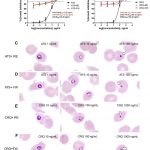
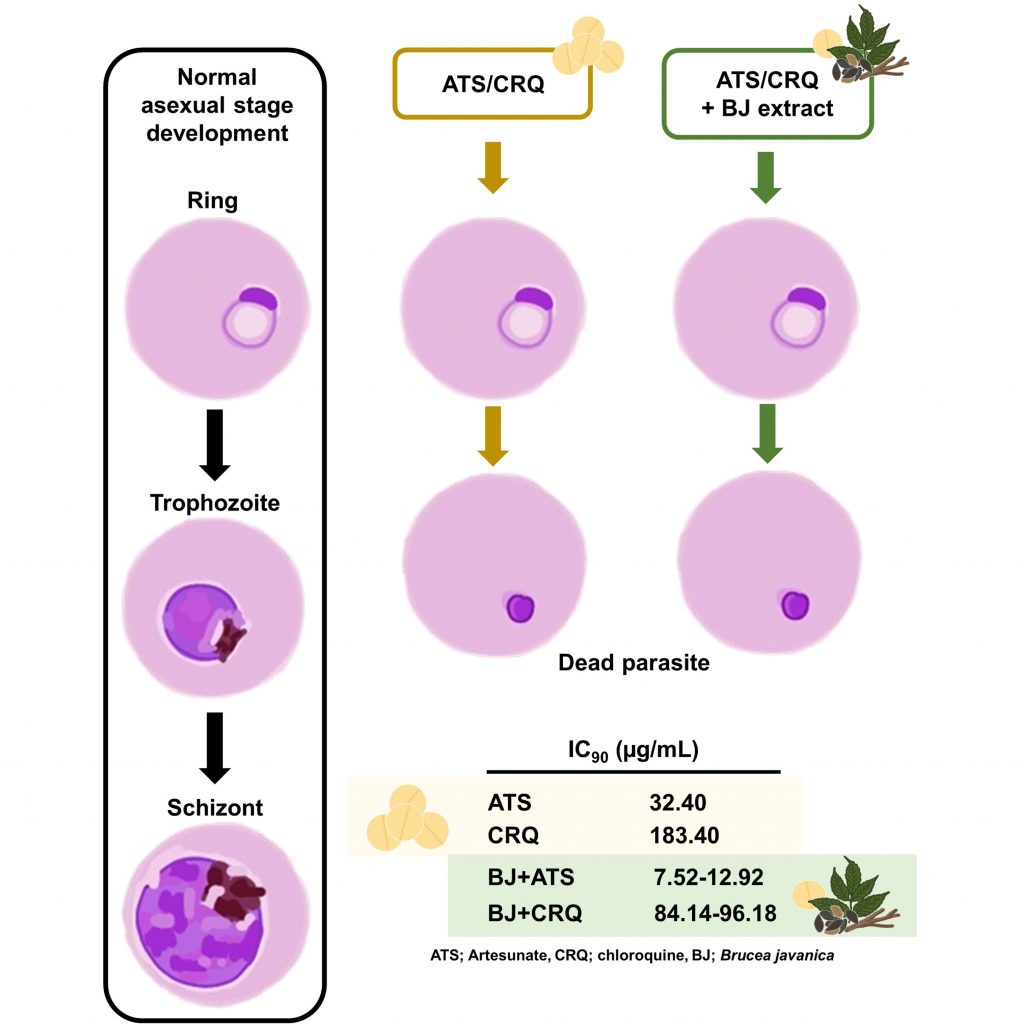
Malaria is a parasitic infectious disease that is endemic in many tropical countries. Even though several effective antimalarial agents have been implemented, treatment failure still occurs, and malaria continues to cause neurological complications and death, particularly in severe or drug-resistant cases. Hence, novel therapeutic agents with distinct mechanisms of action, as well as alternative chemical compounds that can overcome resistance, are still needed to improve malaria therapy. This study aimed to investigate the antimalarial activities of Brucea javanica extracts against Plasmodium falciparum, the major species associated with severe malaria. In this study, malaria parasites were treated with plant extracts using single and co-incubation methods, along with artesunate and chloroquine, and their inhibitory effect on parasite development was determined by microscopy. The results show that all tested doses of the extracts that effectively inhibited malaria parasites did not cause hemolysis of red blood cells. The root extract and fruit extract inhibited parasite growth at IC50 values of 0.41 ± 1.14 μg/mL and 0.26 ± 1.15 μg/mL, respectively. These extracts significantly interrupted malaria development at the ring stage. The defective parasites treated with plant extracts were characterized by nuclear clumping, leading to pyknotic cell death. Moreover, these extracts elicited an additive effect with artesunate and chloroquine, significantly reducing IC90 levels for the inhibition of parasite development. In conclusion, B. javanica extracts inhibited the asexual blood-stage development of malaria parasites. They distinctively show the additive effects of ATS and CRQ, elucidating their potential for further studies on novel formulas of antimalarial drug regimens.

Related Topics

Progenitor Cell Dynamics in Androgenetic Alopecia: Insights from Spatially Resolved Transcriptomics

Goals 3
Ensure healthy lives and promote well-being for all at all ages

Progenitor Cell Dynamics in Androgenetic Alopecia: Insights from Spatially Resolved Transcriptomics

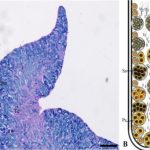
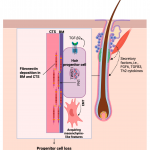
This study examined why hair follicles shrink and thin in androgenetic alopecia (AGA), a common form of hair loss, by focusing on the decline of special hair-regenerating cells. Using advanced spatial profiling technology, we compared scalp tissue from AGA patients and healthy individuals, specifically analyzing gene activity in the regions containing these regenerative cells. We found that genes involved in scar tissue formation and cell identity changes—such as FN1, TWIST1, and TGFB2—were much more active in these areas in AGA patients. The corresponding proteins were also found at higher levels, confirming their involvement. This increased gene activity creates a harmful environment around the hair follicle, encouraging fibrosis (scar formation) and loss of regenerative cells, which likely contributes to ongoing hair thinning. Additionally, immune cells gathering near the hair follicle opening appear to influence this damaging process, suggesting that inflammation also plays a role. By identifying exactly where and how these changes occur, we highlight potential new targets for AGA treatment and advances our understanding of the underlying causes of this type of hair loss.

Related Topics