mRNA vaccines targeting Leptospira immunoglobulin-like proteins confer partial protection in a hamster model of leptospirosis
This research focuses on the development of a novel vaccine to prevent leptospirosis, a neglected tropical disease that remains a major public health concern, particularly in low- and middle-income countries. Leptospirosis is commonly associated with flooding, poor sanitation, and occupational or environmental exposure to contaminated water and soil. Severe infection can lead to organ failure, especially of the kidneys and lungs, and may be fatal, creating a substantial health and socioeconomic burden in vulnerable communities.
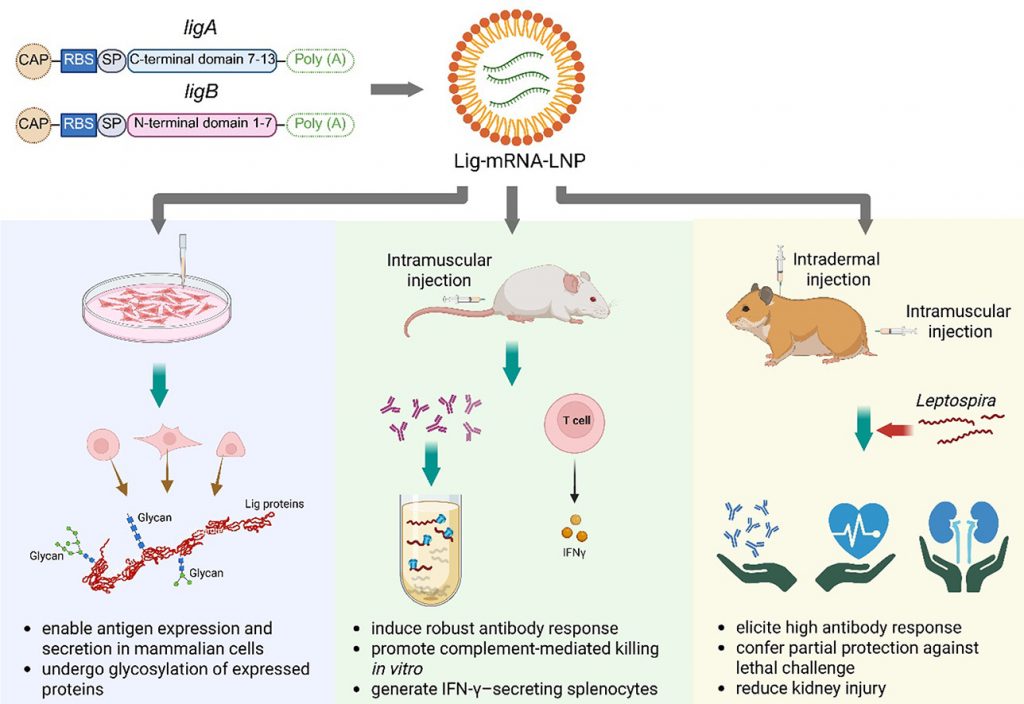
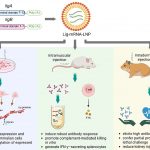
The study explores the use of messenger RNA (mRNA) vaccine technology, an innovative platform that allows rapid development and scalable production. The vaccine was designed to instruct the body to produce key proteins from Leptospira, the bacterium responsible for leptospirosis, thereby stimulating the immune system to recognize and respond to infection. This approach represents a new strategy for addressing bacterial diseases for which effective human vaccines are still limited.
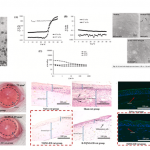
Preclinical testing demonstrated that the mRNA vaccine successfully activated immune responses in animal models, including the production of protective antibodies and immune cells. In a hamster model that closely reflects severe human leptospirosis, vaccinated animals showed partial protection against infection, with improved survival outcomes and reduced damage to critical organs such as the kidneys, compared with unvaccinated controls. While the level of protection was not complete, these findings highlight the potential of mRNA technology as a foundation for further vaccine optimization.
Overall, this study provides important proof of concept that mRNA vaccine platforms can be applied to neglected bacterial infectious diseases. The research supports global efforts to strengthen disease prevention through innovation, expand access to future vaccines, and reduce health inequalities. As such, it contributes directly to the Sustainable Development Goal on Good Health and Well-Being and aligns with broader goals related to innovation, equity, and global health security.